What Can (and Can’t) Go in Your Dumpster: A Complete List
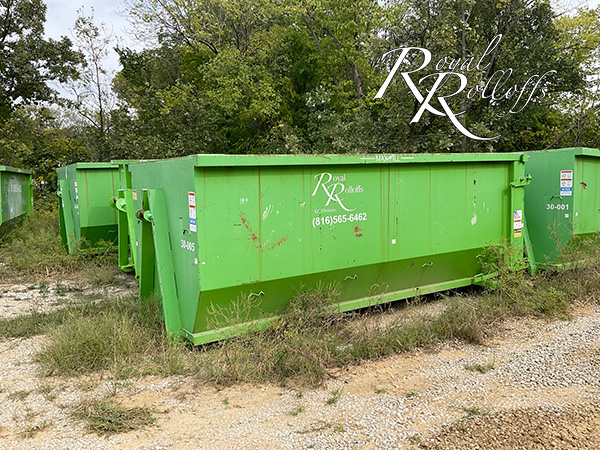
Before starting any type of cleanup or home renovation around Independence, MO, knowing which materials can safely be placed in a dumpster is essential. Homeowners and contractors are often unaware to learn that certain items cannot go into a dumpster. Understanding these rules helps prevent issues, unexpected charges, and dangerous situations during your project. At Royal Rolloffs, we provide clear guidance by guiding you through what is acceptable and what must be handled separately. This information allows you to maximize your rental and avoid problems.
Handling waste correctly is not just about making things easier. It helps meet city and state rules, creates a safer environment, and helps preserve the environment. Understanding proper disposal categories, you can avoid interruptions and maintain steady progress. Here we explain what you can dispose of, points out prohibited items, and offers advice for better organizing your waste.
Common Household Waste and Debris
Household clutter is typically permitted. Furniture, textiles, toys, paper goods, and general garbage can be disposed of together. These common materials are easy to dispose of and make up the bulk of waste generated during cleanouts and move-outs. When emptying rooms full of clutter, you will likely load these items first. Stacking and arranging these items helps you use space wisely.
General debris from household projects, such as drywall, flooring, wood scraps, and shingles, can also be placed in a dumpster. They often come from improvement projects. Breaking apart bulky items and placing heavy debris first helps maximize space. Doing this stabilizes the contents and makes it easier to add lighter waste above. Loading carefully means fewer trips and a cleaner worksite.
Yard Waste and Outdoor Materials
Most green waste like grass, branches, and leaves can be tossed in. They are perfect for yard makeovers, post-storm cleanups, and seasonal maintenance. Keeping yard debris separate from other materials helps with disposal and ensures that the waste is handled according to local composting or recycling regulations. We encourage customers to remove large roots or stumps if possible, because they often require additional handling.
Outdoor materials such as fencing, decks, and patio furniture are also acceptable as long as they are free from hazardous coatings. Avoid wood treated with dangerous chemicals, as those materials may require different disposal methods. You can add masonry debris but spread it throughout to keep weight level. Weight distribution keeps the dumpster within legal hauling limits.
What You Must Keep Out of the Dumpster
You cannot put every type of waste inside the dumpster. Chemicals, fuels, and hazardous liquids are never allowed. These substances can leak or react, creating dangerous conditions for waste handlers and the environment. Your local hazardous waste program can direct you to the right facility.
Cooling appliances often have to be cleared of chemicals first. Bulbs and batteries cannot go into general trash due to hazardous materials. Medical waste, biohazard materials, and certain contaminated soils are also prohibited. Learning the prohibited items early avoids project delays.
Building and Renovation Waste
Jobsite containers are ideal for debris created during building and demolition work. Wood, roofing materials, metal, and concrete are typically allowed and may be placed in the same container. Sorting like materials helps with recycling efforts and minimizes environmental harm during renovations. We coordinate with project managers to make sure construction materials are disposed of properly.
Removing walls and fixtures produces debris such as plaster and old windows. These are allowed unless they contain restricted contaminants. If there is any concern about asbestos, it must be tested and removed by a licensed professional before disposal. Organizing debris removal in advance supports efficiency and jobsite safety.
Special Handling for Heavy Materials
Dense materials like dirt and asphalt are accepted with weight precautions. Excessive weight may damage the container or truck. Customers should be mindful of how much heavy material is placed inside to avoid exceeding weight limits. You may need to split loads to keep weights manageable.
Spread heavy material evenly across the container floor. Proper distribution prevents problems during transportation. Contacting our team in advance about the type of heavy materials you plan to dispose of allows us to recommend the best approach. Proper preparation maximizes the use of the dumpster and ensures safety.
Environmentally Responsible Practices
Environmentally aware disposal benefits everyone in the area. By keeping hazardous items out of the dumpster and recycling where possible, you reduce the amount of waste going to the landfill. Royal Rolloffs helps ensure waste is processed with environmental care. This effort maintains a healthier check here community in Independence, MO.
Collecting recyclables before loading aids eco-friendly disposal. This prevents issues during pickup while protecting the planet. Royal Rolloffs helps clients organize their waste for proper disposal. Compliance and responsibility go hand-in-hand when these steps are followed.
Getting the Most from Your Dumpster Rental
Knowing what can and cannot go into a dumpster is the key to a smooth rental experience. Customers in Independence, MO, rely on Royal Rolloffs to provide not just a container but also the knowledge and support they need to handle waste responsibly. Smart preparation and sorting keep the work flowing smoothly. Royal Rolloffs is dedicated to smooth, efficient disposal service. From residential cleanouts to commercial builds, we support your waste disposal requirements.